
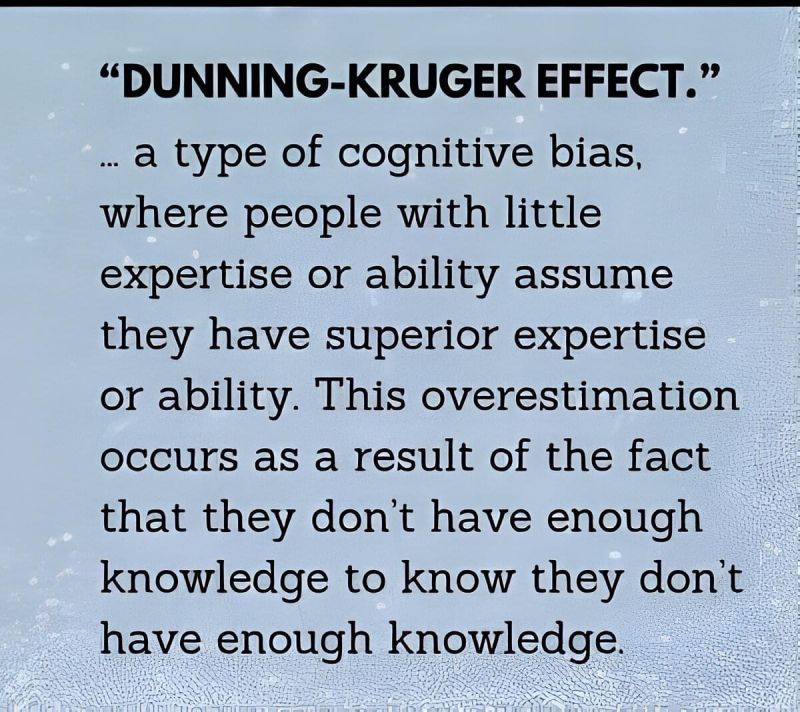
Recruitment ads and the Dunning-Kruger effect

In 1999, researchers David Dunning and Justin Kruger found that people with limited competence overestimate their abilities at a particular task or in a specific area.
Some researchers think it works the other way round too, where high-performers underestimate their skills.
It’s judged by measuring self-assessment against actual performance.
What the Dunning-Kruger effect means to you as a recruiter
You can’t believe everything a candidate claims (you probably know this already). But it’s not necessarily deliberate. It’s difficult for incompetent people to recognise their incompetence. Low-performing people just don’t know what they don’t know. In their case, ignorance is bliss.
The risk in recruitment is that poor-performing people are likely to choose a career or role that doesn’t suit them. On the other hand, high performers may miss out on viable career opportunities that match their skills and opt for jobs which are below their skill level.
How can your job ads address the Dunning-Kruger effect?
– Don’t ask for anything but essential ‘must have’ skills in the ad.
– Make sure you ask for specific skills that can be measured, not soft skills which anyone can claim.
– Don’t include more than 2 or 3 skills in the ad. You can assess any other skills that the hiring manager wants later in the recruitment process.
Want to know more? Then check out our recruitment ad writing courses.